In the dynamic landscape of modern industry, Intermediate Bulk Containers (IBCs) and their components play a pivotal role in facilitating the safe, efficient, and cost – effective storage and transportation of a wide range of substances. As an IBC Components supplier with extensive experience in the field, I am thrilled to delve into the intricate workings of these essential industrial elements. IBC Components
Understanding the Basics of IBCs and Their Components
IBCs are large reusable containers designed to store and transport bulk liquids, semi – solids, and granular materials. They typically have a capacity ranging from 110 to 330 gallons, making them a popular choice for both small – scale operations and large – scale industrial applications.
The main components of an IBC system include the container itself, the pallet, the valve, and the closure. The container is usually made of high – density polyethylene (HDPE) or stainless steel, offering excellent chemical resistance and durability. The HDPE containers are lightweight, corrosion – resistant, and can withstand a variety of environmental conditions. Stainless steel containers, on the other hand, are more suitable for applications that require higher strength and resistance to extreme temperatures and pressures.
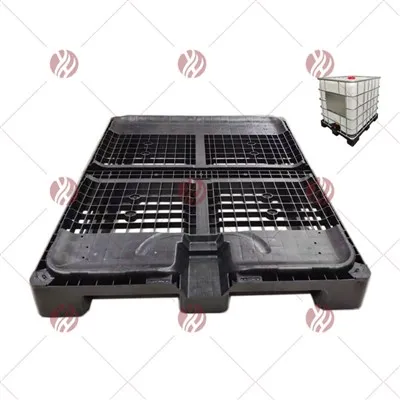
The pallet serves as the base for the IBC, providing stability during storage and transportation. It is usually made of wood, plastic, or metal. Wood pallets are cost – effective and widely available, but they may be susceptible to moisture and pests. Plastic pallets are lightweight, easy to clean, and resistant to chemicals, while metal pallets offer high strength and durability.
The valve is a critical component that controls the flow of the contents in and out of the IBC. There are various types of valves available, including ball valves, butterfly valves, and diaphragm valves. Ball valves are popular due to their simple design, reliable shut – off, and low maintenance requirements. Butterfly valves are suitable for applications that require quick opening and closing, while diaphragm valves are ideal for handling corrosive and abrasive materials.
The closure is used to seal the opening of the IBC, preventing leakage and contamination. It can be a screw – on cap, a snap – on lid, or a more sophisticated sealing mechanism. The choice of closure depends on the type of material being stored, the required level of protection, and the handling requirements.
How IBC Components Work Together
The seamless operation of an IBC system relies on the harmonious interaction of its components. When filling the IBC, the valve is opened to allow the product to flow into the container through a suitable filling device. The valve’s design ensures that the flow rate can be controlled accurately, preventing over – filling and spillage.
Once the IBC is filled, the valve is closed tightly to prevent any leakage during storage and transportation. The closure is then applied to provide an additional layer of protection against external contaminants such as dust, moisture, and air.
During transportation, the pallet plays a crucial role in ensuring the stability of the IBC. It distributes the weight evenly across the container, reducing the risk of damage due to shifting or tipping. The IBC can be easily loaded and unloaded using forklifts or other material – handling equipment, thanks to the standardized dimensions of the pallet.
When it comes to dispensing the contents, the valve is opened again. Depending on the application, the product can be dispensed directly into smaller containers or fed into a processing system. Some IBCs are equipped with a pump or a gravity – fed system to facilitate the dispensing process.
Factors Affecting the Performance of IBC Components
Several factors can impact the performance of IBC components. One of the primary considerations is the compatibility of the components with the stored material. Different chemicals and substances can react with the materials used in the IBC components, leading to corrosion, degradation, or loss of functionality. For example, a highly corrosive acid may require a special – grade stainless steel valve or a HDPE container with an extra – thick wall for long – term storage.
The operating conditions also play a significant role. Temperature, pressure, and humidity can all affect the physical and chemical properties of the components. High temperatures can cause the plastic container to expand or soften, while low temperatures can make it brittle. Extreme pressures can put stress on the valve and the closure, increasing the risk of leakage.
The frequency of use and the handling procedures also influence the lifespan of the components. Rough handling during loading and unloading can damage the container, the valve, or the pallet. Regular maintenance and inspection are essential to identify any signs of wear and tear and to ensure the safe and efficient operation of the IBC system.
Innovations in IBC Component Technology
The IBC industry is constantly evolving, driven by the need for greater efficiency, safety, and sustainability. Recent innovations in IBC component technology have focused on improving the design, materials, and functionality of the components.
One of the significant advancements is the development of smart IBCs. These containers are equipped with sensors that can monitor various parameters such as temperature, pressure, and fill level in real – time. This information can be transmitted wirelessly to a central control system, allowing operators to remotely monitor the status of the IBC and take proactive measures to prevent issues.
In terms of materials, there has been a growing trend towards using more sustainable and eco – friendly materials. For example, some manufacturers are now producing IBC containers from recycled plastics, reducing the environmental impact. Additionally, advancements in surface coating technologies have improved the chemical resistance and durability of the components, extending their lifespan.
The design of IBC components has also become more user – friendly. For instance, valves are now designed with ergonomic handles for easier operation, and closures are more intuitive to use, reducing the risk of human error.
Benefits of Choosing the Right IBC Components
Selecting the appropriate IBC components offers numerous benefits for businesses. Firstly, it ensures the safe storage and transportation of the products, reducing the risk of spills, leaks, and contamination. This is particularly important when handling hazardous materials, as it helps to comply with strict safety regulations.
Secondly, the right components can enhance the efficiency of the supply chain. IBCs with well – designed valves and closures allow for faster filling and dispensing, reducing downtime. The compatibility of the components with different handling equipment also streamlines the loading and unloading process.
Thirdly, investing in high – quality IBC components can result in long – term cost savings. Durable components require less frequent replacement, reducing the overall cost of ownership. Moreover, sustainable components can help businesses meet their environmental goals and potentially reduce waste management costs.
Why Choose Our IBC Components
As a reputable IBC Components supplier, we take pride in offering a wide range of high – quality products that meet the diverse needs of our customers. Our IBC components are manufactured using top – grade materials and stringent quality control processes, ensuring reliability and performance.
We understand that every application is unique, which is why we offer customized solutions. Our team of experts can work closely with you to understand your specific requirements and recommend the most suitable components for your IBC system.

In addition to our product quality, we also provide excellent customer service. We are committed to providing timely delivery, technical support, and after – sales service. Our goal is to build long – term partnerships with our customers based on trust and mutual benefit.
Contact for Procurement and Consultation
Pallet Parts If you are in the market for reliable IBC components, we invite you to contact us for a detailed discussion. Our team is ready to assist you in choosing the right components for your application, providing you with competitive pricing, and addressing any questions or concerns you may have. Whether you are looking to upgrade your existing IBC system or start a new project, we are here to support you every step of the way.
References
- "Intermediate Bulk Containers: Design, Testing, and Evaluation" by industrial engineering research group
- "Handbook of Chemical Resistance of Plastics and Elastomers" for material compatibility information
- Various industry – specific trade publications on IBC technology and trends.
Zhenjiang Yuanhai Packaging Co., Ltd.
We’re well-known as one of the leading IBC components manufacturers and suppliers in China, featured by quality products and good price. Please rest assured to buy high-grade IBC components for sale here from our factory. We also accept customized orders.
Address: No. 9, Danwu Road, Dantu District, Zhenjiang City
E-mail: chin_john@msn.com
WebSite: https://www.yhibc.com/
