Hey there! I’m a supplier of generator sets, and today I’m gonna share with you how to install a generator set. Whether you’re looking to have a backup power source for your home during those pesky blackouts or need a reliable power solution for your business, installing a generator set ain’t as hard as it sounds. Let’s get started! Generator Set
Pre – installation Checks
Before you even think about getting your hands dirty with the installation, there are some important pre – installation checks you gotta do.
Site Assessment
First off, take a good look at the location where you plan to install the generator set. It needs to be a well – ventilated area. Generators produce exhaust gases that are extremely harmful, so you don’t want it in a closed space. A common mistake people make is putting the generator in a basement or an enclosed shed. No way! Aim for an area that has at least 3 feet of clearance on all sides for proper air circulation.
Also, the ground should be level. Uneven ground can cause the generator to vibrate excessively, which might lead to damage over time. If the ground ain’t level, you’ll need to level it out using some gravel or concrete pads.
And don’t forget about accessibility. You need to be able to reach the generator easily for maintenance and refueling. If it’s too far or hard to get to, you’ll end up neglecting it.
Power Requirements
Figure out how much power you actually need. Look at your electrical appliances at home or in the office. Make a list of everything that you want to run on the generator during a power outage. Add up their wattage. You can usually find the wattage info on the appliance label. Once you’ve got the total wattage, you can choose the right – sized generator set. It’s better to go a bit bigger than you think you need, just in case you add more appliances later.
Permits
Contact your local building department to see if you need any permits for installing the generator set. In many areas, you do need a permit, especially if it’s a large – scale commercial installation. Failing to get the proper permits can result in hefty fines, so don’t skip this step.
Installation Steps
Once you’ve done your homework with the pre – installation checks, it’s time to start the actual installation.
Unpacking and Inspection
Carefully unpack the generator set. Inspect it for any signs of damage during shipping. Check for loose parts, cracks, or any other visible issues. If you find something wrong, contact me right away. As a supplier, I’ll help you out with getting the necessary parts replaced or resolving the problem.
Mounting the Generator
If you’ve opted for a stationary generator set, you’ll need to mount it on a solid base. For smaller generators, you can use a simple concrete pad. Make sure the pad is big enough to hold the generator comfortably. Place the generator on the pad and secure it using bolts.
For larger generators, you might need to use a more elaborate mounting system. This could involve steel frames or specialized mounting brackets. Follow the manufacturer’s instructions carefully when mounting the generator to ensure it’s stable.
Connecting the Fuel Supply
Generators can run on different types of fuel, such as gasoline, diesel, or natural gas. If it’s a gasoline or diesel generator, you’ll need to connect it to a fuel tank. Make sure the fuel tank is placed in a safe location away from the generator’s exhaust. Use approved fuel hoses to connect the tank to the generator.
For natural – gas generators, you’ll need to connect it to your natural – gas supply line. This is a job that’s best left to a professional plumber or gas fitter. They have the knowledge and tools to make sure the connection is safe and leak – free.
Electrical Connections
Now, this is a crucial part. You need to connect the generator to your electrical system. For a basic setup at home, you can use a transfer switch. A transfer switch allows you to switch between the power from the grid and the power from the generator. It also ensures that you don’t back – feed power into the grid, which can be dangerous for utility workers.
First, turn off the main power switch in your electrical panel. Then, connect the generator’s output cable to the transfer switch. Follow the wiring diagram provided with the transfer switch to make the correct connections. Once you’ve connected everything, turn on the transfer switch and start the generator.
For commercial installations, the electrical connections can be more complex. You may need to hire a licensed electrician to do the job. They’ll be able to handle the larger electrical loads and ensure compliance with all the electrical codes.
Post – installation Checks
After you’ve finished installing the generator set, there are a few post – installation checks you need to do.
Leak Checks
Check for any fuel, coolant, or oil leaks. Start the generator and let it run for a few minutes. Look around the generator and the fuel and coolant lines for any signs of leaks. If you find a leak, shut down the generator immediately and fix the problem.
Exhaust Check
Make sure the exhaust is properly vented. Check that the exhaust pipe is connected correctly and that there are no blockages. You don’t want exhaust gases to build up near the generator or inside your home or business.
Load Testing
Test the generator under load. Turn on some of the electrical appliances that you plan to use during a power outage. Make sure the generator can handle the load without any issues. If you notice any problems, such as the generator shutting down or the voltage dropping too low, there might be an issue with the installation or the generator itself.
Maintenance and Safety Tips
Once your generator set is up and running, it’s important to keep up with regular maintenance.
Regular Maintenance
Change the oil and oil filter according to the manufacturer’s recommendations. This will keep the engine running smoothly. Also, check the air filter regularly and clean or replace it as needed. A dirty air filter can reduce the generator’s performance.
Safety First
Always follow the safety instructions provided with the generator. Keep children and pets away from the generator when it’s running. Don’t touch any electrical connections with wet hands. And never operate the generator in the rain or in wet conditions unless it’s a model specifically designed for outdoor use.
Why Choose Our Generator Sets
As a supplier, I can tell you that our generator sets are top – notch. We’ve got a wide range of models to suit different power requirements. Whether you need a small generator for your home or a large one for your commercial space, we’ve got you covered.

Our generators are made from high – quality materials and are built to last. We offer great customer support, so if you have any questions or run into any issues during the installation or operation of the generator, you can reach out to us.
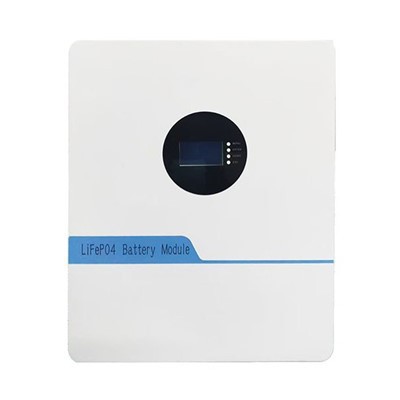
Home Energy Storage System If you’re interested in purchasing a generator set, don’t hesitate to get in touch. You can contact us to discuss your specific needs, and we’ll help you choose the right generator for you. We can also provide you with more detailed installation instructions and advice based on your situation.
References
- Generator Set Manufacturer’s Manuals
- Local Building and Electrical Codes
- National Fire Protection Association (NFPA) Guidelines for Generator Installation
Shandong Yaoqian Energy Storage International Trade Co., Ltd.
We’re well-known as one of the leading generator set manufacturers and suppliers in China, featured by quality products and good price. Please rest assured to buy customized generator set made in China here from our factory.
Address: Lithium Battery Industrial Park, Xingcheng Street, Zaozhuang High-tech Zone, Shandong Province, China
E-mail: boss@yaoqiansmart.com
WebSite: https://www.yaoqiansmart.com/
