If you’ve ever visited a construction site, a farm storing harvested crops, or a roadside market covering goods from sudden rain, you’ve likely seen a PE tarpaulin. For years, I’ve supplied these versatile, lightweight sheets to businesses across industries—watching how they’ve evolved from basic, single-use coverings to essential, multi-functional tools that adapt to modern needs. As someone who’s spent a decade in the PE tarpaulin supply chain, I’ve noticed shifts in customer demands, technological advancements, and regulatory changes that are shaping where this product is headed. In this post, I’ll break down the key future trends for PE tarpaulin, and what that means for businesses looking to partner with a reliable supplier. PE Tarpaulin

First, let’s clarify what PE tarpaulin is, for anyone new to the space: it’s a sheet made from polyethylene plastic, extruded into a thin, flexible film, often coated or laminated for extra durability. Early versions were thin, prone to tearing after a few uses, and barely better than a basic plastic bag. Today, modern PE tarps come in weights from light-duty (for covering outdoor furniture) to heavy-duty (for construction equipment or bulk material storage), with features like UV resistance, waterproofing, and mold prevention. But the future isn’t just making better versions of the same old product—it’s reimagining PE tarps to solve specific, emerging problems that industries face right now.
One of the biggest, most non-negotiable trends right now is the push toward sustainability. This isn’t just a passing buzzword; it’s driven by global regulations, consumer expectations, and even raw material costs. For decades, PE plastic was seen as environmentally harmful, and most disposable tarps ended up in landfills after one use. But that’s starting to change, and I’ve already adjusted my inventory to reflect this. First, there’s a growing demand for recyclable PE tarps. Traditional tarps are often made with mixed materials—like a PE film laminated with a polyester scrim, which makes recycling complicated. New formulations are coming out that use 100% recyclable polyethylene, so once a tarp reaches the end of its life, it can be melted down and turned into new plastic products instead of sitting in a landfill.
Another key development here is the rise of “multi-use” PE tarps. Customers used to buy a cheap tarp for a single project and discard it. Now, businesses want a tarp that can be reused 10, 20, even 50 times. That means better tear resistance, stronger UV stabilizers (so the sun doesn’t break down the plastic after a few months), and water resistance that doesn’t wear off after repeated washing. I recently worked with a landscaping company that switched from disposable tarps to heavy-duty, multi-use PE tarps; they told me they cut their annual tarp costs by 60% because they no longer had to buy a new one for every job. As more businesses see that return on investment, demand for reusable PE tarps will keep growing.
Even more exciting, we’re starting to see compostable PE tarps enter the market. This isn’t the same as plant-based compostable plastics (which often have different properties that don’t work for heavy-duty covering). New chemical processes are creating polyethylene that breaks down in industrial compost facilities, and even in some home settings, after about 2-5 years of regular use. I’ve tested these tarps myself—they hold up to rain, sun, and heavy loads for over a year, and once they’re done, they break down into organic material without leaving microplastics. While this is still a niche product right now, major retailers and construction companies are testing it, and I expect it to become a standard offering within the next five years.
The second big trend is technological integration, which is a little unexpected for a product that’s been around for so long. PE tarps aren’t just passive coverings anymore—they’re starting to have smart features that add value for customers. For example, I’ve seen prototype tarps with built-in temperature sensors that track the condition of materials stored under them. A farmer can use a tarp with a sensor to keep an eye on the temperature of harvested grain, ensuring it doesn’t get too hot or too moist and spoil. A construction company can use a tarp with a humidity sensor to prevent concrete from cracking too quickly, adjusting coverings during wet weather.
Another tech development is anti-theft and traceable PE tarps. High-quality heavy-duty tarps are a target for theft at construction sites, farms, and storage yards—one report I read last year said that tarp theft costs the U.S. construction industry over $200 million annually. New tarps are being made with RFID tags embedded in the PE film, so you can track a tarp’s location if it’s moved, and even set up alerts if it’s removed from a designated area. Some suppliers, including me, are already testing these with our large construction clients, and the feedback has been positive. It’s not about spying on workers; it’s about reducing unnecessary losses, which helps businesses keep costs down.
We’re also seeing advances in PE tarp manufacturing that make them more adaptable to specific needs. For example, custom-sized tarps were once a hassle—lead times were long, and costs were high. Now, digital cutting and extrusion technology allows us to make custom PE tarps in any size, shape, or thickness, with fast lead times and no minimum order quantity for many clients. This is huge for small businesses, like local contractors or small-scale farmers, who used to have to buy one-size-fits-all tarps that didn’t quite fit their needs. I recently made a set of custom tarps for a small organic farm that needed to cover rows of berry bushes; the tarps were cut to fit exactly between the rows, so they didn’t waste space or blow away in the wind. That’s the kind of flexibility that will make PE tarps even more useful in the future.
The third trend is a shift toward specialized PE tarps for niche industries. Ten years ago, most PE tarps were generic—you bought a blue or black sheet, and it worked for most jobs. Now, customers are asking for tarps tailored to their specific use cases, which means I’ve had to expand my product line to meet those demands. Let’s talk about a few of these niche uses: first, agricultural tarps. Farmers don’t just need a covering for crops; they need tarps that protect against bird damage, block UV rays to slow crop spoilage, or repel insects without using chemicals. New PE tarps are being formulated with insect-repellent additives that are safe for plants and animals, and some have white outer layers that reflect sunlight, keeping crops cooler in hot climates. I’ve worked with corn and soybean farmers to provide tarps that are treated to resist mold, which is a big problem when storing grain in humid areas.
Then there’s the logistics and transportation industry. Truck drivers and shipping companies have used tarps to cover loads for decades, but now they need tarps that are lightweight (to cut down on fuel costs), tear-resistant (to handle the wear and tear of being dragged over docks), and even reflective (to make truck loads more visible at night, reducing accident risks). I recently started supplying reflective PE tarps to a local trucking company; they told me that since switching, they’ve had fewer accidents and their fuel efficiency has gone up because the lighter tarps reduce the total weight of their loads. That’s the kind of specific benefit that generic tarps can’t provide.
Another niche is emergency response and disaster relief. After hurricanes, wildfires, or floods, relief organizations need tarps to cover damaged roofs, protect displaced people’s belongings, and store emergency supplies. The demand here is for tarps that are durable, waterproof, and can be distributed quickly. Right now, most emergency tarps are made of basic PE, but in the future, we’ll see tarps that come pre-cut to fit standard roof sizes, or even tarps that have built-in tie points and stakes for easy setup in disaster zones. I’ve donated tarps to local relief organizations in the past, and I’ve seen first-hand how a good tarp can make a huge difference after a crisis—so this is an area where innovation is really needed.
Of course, none of these trends would matter if the quality of PE tarps didn’t keep improving, and that’s a fourth key trend: stricter quality standards and transparency in the supply chain. A few years ago, there was a lot of low-quality PE tarps on the market—thin, made with cheap raw materials, that tore after a single use. That gave PE tarps a bad reputation, and it hurt businesses that relied on them. Now, customers are more informed, and they’re demanding transparency: they want to know what the tarp is made of, where it’s produced, and how long it’s expected to last. As a supplier, I’ve had to invest in testing equipment to check the tensile strength, UV resistance, and waterproofing of every batch of tarps I sell. I also provide my clients with a “life expectancy guarantee” for heavy-duty tarps—so if a tarp tears within a year of normal use, I’ll replace it for free. That’s a level of trust that’s becoming more important as customers look for reliable suppliers instead of cheap, low-quality products.
There’s also a push for compliance with global safety regulations, especially in industries like construction and food storage. For example, PE tarps used to cover food or farm products need to meet FDA standards for food contact, and tarps used in construction need to meet OSHA standards for durability and fire resistance. A few years ago, I had to recall a batch of tarps that didn’t meet a new fire safety standard for construction sites; since then, I’ve worked closely with my manufacturers to ensure every product meets all relevant regulations in the regions my customers are in. That’s a non-negotiable part of the future—suppliers who don’t keep up with these standards will be left behind, because customers won’t risk using non-compliant tarps that could cause safety issues or legal problems.
Now, let’s talk about what all this means for businesses that use PE tarps, and why partnering with a forward-thinking supplier matters. A lot of companies still think of PE tarps as a commodity—something to buy at the lowest price. But as the trends I’ve outlined show, the value of a PE tarp is going up, not down. A high-quality, reusable, custom-fit PE tarp might cost a little more upfront, but it will save you money over time by lasting longer, reducing waste, and meeting your specific needs. For example, a construction company that buys cheap, disposable tarps might spend $50 per project, while a heavy-duty, multi-use tarp from a supplier like me might cost $200, but it can be used for 10 projects—so that’s $20 per project, a 60% savings.
That’s why I always work closely with my clients to understand their needs, instead of just selling them a standard product. If you’re a farmer storing grain, I’ll recommend a tarp with mold resistance and UV stabilization. If you’re a trucking company, I’ll recommend a lightweight, reflective tarp that cuts fuel costs. If you’re a disaster relief organization, I can prioritize fast shipping and pre-sized tarps for easy setup. I also offer bulk discounts for regular orders, and custom printing for businesses that want to add their logo to tarps for branding—something that’s popular for construction companies and logistics firms.
Looking ahead five to ten years, I predict that PE tarps will be even more integrated into daily life, in ways we can’t even fully imagine. We’ll see smart tarps that can communicate with inventory management systems, alerting you when a material stored under a tarp is running low. We’ll see PE tarps that are part of circular economy systems—so when a tarp reaches the end of its life, it’s picked up, recycled, and turned into new tarps, creating a closed loop that reduces waste even more. We’ll also see more innovative materials blending PE with other sustainable fibers, so tarps are even lighter and more durable, without sacrificing recyclability.
For anyone reading this who’s looking for a PE tarpaulin supplier, the key is to find someone who’s invested in these trends, who doesn’t just sell cheap products, but understands your specific industry and needs. I’ve been in this business long enough to know that a good tarp isn’t just a piece of plastic—it’s a tool that protects your assets, saves you time and money, and helps your business run smoothly. Whether you’re a small farmer needing a few custom tarps, a large construction company needing bulk heavy-duty tarps, or an organization needing emergency relief supplies, I can provide products that meet the latest standards, are built to last, and support your sustainability goals.
If you’re ready to discuss your PE tarpaulin needs, or want to learn more about the latest products in the market, feel free to reach out for a consultation. I’m always happy to answer questions, provide samples, or help you find the right solution for your business. We can work together to make sure you’re getting the best value and the most reliable product on the market.
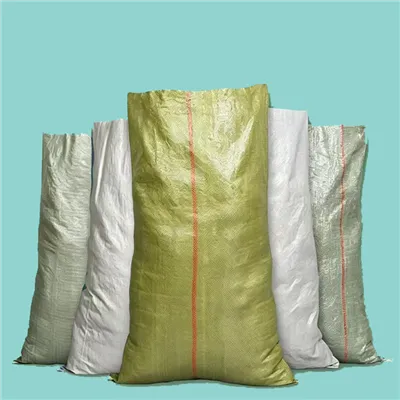
Woven Polypropylene Feed Bags References
- Global Tarpaulin Market Report 2023: Industry Trends, Growth, and Forecast to 2028
- Construction Industry Tarp Theft and Loss Report, National Association of Construction Businesses, 2022
- Sustainable Polyethylene Packaging and Tarpaulin Initiative, Global Plastics Alliance, 2023
- Agricultural Covering Technologies: Trends in Crop Protection and Storage, USDA Agricultural Research Service, 2022
Liaoning Xunlian Packaging Products Co., Ltd.
Liaoning Xunlian Packaging Products Co., Ltd. is one of the most professional pe tarpaulin manufacturers and suppliers in China, featured by quality products and good service. Welcome to wholesale CE approved pe tarpaulin made in China here and get quotation from our factory. Customized orders are welcome.
Address: Chaoyang Industrial Park, Kangping, Shenyang, Liaoning, China.
E-mail: info@xunlianpack.com
WebSite: https://www.xunlianpack.com/
