Hey everyone, it’s [Your Name] here from the refrigerated air dryer side of things – the guy who spends way too much time geeking out about compressed air systems, especially when it comes to the pharma industry, which is probably one of the most scrutinized sectors when it comes to air quality. Lately, I’ve been fielding questions nonstop from pharma maintenance managers and process engineers: “Can a regular refrigerated air dryer even cut it for our operations?” And look, I get it – pharma has super strict rules, so guessing here could cost you big time (like, regulatory headaches, product spoilage, even fines big enough to make your CFO choke on their coffee). Today, I’m breaking this down straight, no jargon, just real talk from someone who’s been supplying these dryers for years, and who’s actually seen them work for pharma guys (when set up right). Refrigerated Air Dryer

First off, let’s level set on what we’re actually dealing with in pharma compressed air. Most people think air is just… air, right? Nope. In pharma, compressed air isn’t just for powering tools on the factory floor. It’s used to fill syringes, transport raw materials through pipes, keep production lines running smoothly, and even in some critical testing processes. The big enemy here is water vapor – that’s the moisture in compressed air that turns into liquid when it cools down. If that vapor turns to liquid in your process, you’re looking at contaminated products, clogged filters, even damaged equipment. And pharma regulators (I’m talking FDA, GMP, the whole crew) have super clear rules on how much moisture is allowed in air used for critical processes.
Now, refrigerated air dryers vs. other dryers – let’s keep this simple. A lot of people assume “dryer” means a desiccant dryer (that’s the big, tower-like ones you see in some factories), and write off refrigerated dryers too quickly. But let’s get the basics: refrigerated dryers work by cooling the compressed air to a set temperature, usually around 37°F (3°C), which causes most of the water vapor to condense into liquid. Then they separate that liquid and blow dry air back through the system. Desiccant dryers go way lower – like -40°F (-40°C) or even lower – by pulling moisture into a porous material, then regenerating that material with heat or dry air. So which is better for pharma? It depends on what you’re using the air for, and that’s where I come in as a supplier who knows pharma’s ins and outs.
Let’s talk about the real pharma use cases where refrigerated dryers actually shine. First, non-critical utility air – think the air that powers hand tools, cleans equipment between runs, or does general plant purging. For this, the moisture level after a refrigerated dryer is typically around 100 ppm (parts per million) by volume, which is way below what causes issues here. I’ve got a client out in the Midwest that uses our refrigerated dryers for their packaging line – they move pills through plastic tubes with compressed air, and that line runs 24/7. Before they switched to our dryers, they had constant clogs from condensed water mixing with pill powder, which led to 2-3 hours of downtime every week, plus some wasted product. Now? Clogs are basically gone, downtime’s cut by 90%, and they’ve never had a single regulatory flag on their utility air. That’s the kind of win I live for as a supplier.
But wait, can refrigerated dryers work for critical processes too? This is the question I get all the time, so let’s be honest – it’s not a one-size-fits-all, but it can, if you spec it right. A lot of pharma critical air needs to be super dry, like below -40°F pressure dew point. A basic refrigerated dryer can’t hit that – but wait, what if you add a little polish? We build custom refrigerated dryers with a post-dryer filter and a membrane dryer module at the end, for example. That setup can get you to a -40°F dew point, which meets the requirements for things like filling pre-filled syringes (something I’ve worked on with a big vaccine manufacturer a couple years back). The key here is that you can’t just slap a standard off-the-shelf dryer into a critical process – you have to engineer it to meet GMP standards, with stainless steel piping for the internal components, easy-to-calibrate temperature sensors, and built-in liquid drains that are automated so there’s no chance of human error (like someone forgetting to empty a drain, which would let liquid back into the system).
Now, let’s get real about the myths that keep people from using refrigerated dryers in pharma. First myth: “Refrigerated dryers aren’t accurate enough for pharma.” Uh, not anymore. Modern models have digital controllers that track dew point in real time, send alerts if it drops below (or above) your set level, and log data for audits. That last part is huge – FDA and GMP love audit trails, and our dryers store all that data automatically, so you don’t have to manually log every hour, which cuts down on errors too. Second myth: “Refrigerated dryers use too much energy.” Compare them to desiccant dryers – desiccant dryers have to regenerate their desiccant, which uses a ton of extra energy, especially if you’re heating it. Our custom refrigerated dryers for pharma use 30-50% less energy than a similar-capacity desiccant dryer, which is a big win for pharma facilities that run 24/7. Third myth: “They can’t handle high flow rates.” Wait, we build refrigerated dryers that can handle up to 5,000 CFM (cubic feet per minute) – that’s enough air for a mid-sized pharma production facility. I’ve got another client on the West Coast that uses a 4,000 CFM dryer from us for their API (active pharmaceutical ingredient) processing, and they hit all their moisture targets, no issues for two years straight.
Now, the fine print that pharma folks care about – compliance and maintenance. Let’s talk GMP: Good Manufacturing Practice isn’t just a buzzword, it’s non-negotiable. When we build a refrigerated dryer for pharma, we use wetted parts (the parts that touch compressed air) made of 316L stainless steel, which is the standard for pharma equipment because it’s non-corrosive, easy to sanitize, and doesn’t leach any chemicals into the air. We also design the drain systems with trap seals to make sure nothing (like bacteria or contaminants from the surrounding plant air) gets back into the dried air – that’s a big one, because contaminated air can ruin a whole batch of product. For FDA validation, we provide full documentation of the dryer’s performance, material specs, and calibration reports, so you can submit it for audit without pulling your hair out. It’s all part of being a supplier that works with pharma, not just selling a dryer and vanishing.
Maintenance is another big factor – pharma facilities can’t afford unplanned downtime. Our refrigerated dryers are way simpler to maintain than desiccant dryers. You don’t have to replace desiccant every 1-2 years, which is a big cost saver and a big labor saver. We do recommend quarterly checks of the filters and drains, and annual calibration of the temperature sensors, but those are straightforward tasks that most pharma maintenance teams can handle without bringing in outside contractors. Plus, our team is on call 24/7 for pharma clients – I’ve had a client in Chicago call me at 2 a.m. because their dryer’s alert went off, and we had a technician there in 4 hours. That’s the kind of support you need when a downtime event can cost you hundreds of thousands of dollars in lost product and missed deadlines.
Wait, let’s also talk about the times when a refrigerated dryer might not be the right pick – because I’m not here to oversell anything. If your process needs a pressure dew point below -40°F consistently without extra polishing, a refrigerated dryer alone won’t cut it – you’ll need a desiccant dryer. Or if you’re operating in an area with super high ambient temperatures and humidity that make it hard to keep the dryer’s inlet air cool, you might need a pre-cooler to boost its efficiency. But those are edge cases, not the norm. Most pharma applications fall squarely into the range where a properly specified refrigerated dryer works perfectly, and is way cheaper and more reliable than the alternative.
Let me wrap this up with a quick example from a client I helped last year. They were a mid-sized biotech company making inhalers, and they were using a desiccant dryer that kept breaking down – desiccant dust was getting into the air, which was contaminating their inhaler doses, so they were wasting 15% of every batch. They switched to our custom refrigerated dryer with a membrane post-treatment, got a -40°F dew point, stainless steel wetted parts, and automated drains. In the first six months, they cut product waste by 12%, saved $8,000 on energy bills, and haven’t had a single regulatory issue related to air quality. That’s the kind of result that makes all the behind-the-scenes work worth it.
So to answer the original question: Can a refrigerated air dryer be used in the pharmaceutical industry? The short answer is yes – if you pick the right one (we don’t just sell off-the-shelf units), spec it for your specific process, and work with a supplier that understands pharma’s unique rules and needs. It’s not a “one size fits all” answer, but when set up correctly, refrigerated dryers offer massive benefits: lower energy costs, less maintenance, better audit trails, and reliable moisture control that meets GMP and FDA standards.
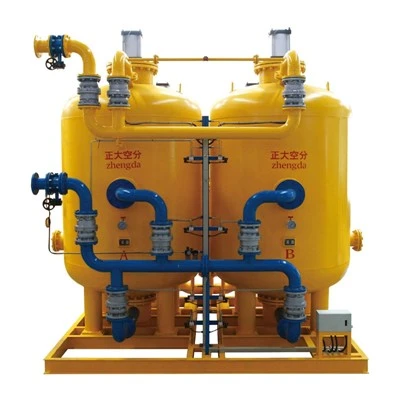
If you’re a pharma engineer, maintenance manager, or operations lead reading this and dealing with compressed air issues – whether that’s clogs, wasted product, or regulatory headaches – hit me up. I don’t push dryers on people who don’t need them, but if a refrigerated dryer (or a hybrid setup) can solve your problems, I’ll lay it all out for you, no fine print, no hard sell. We can walk through your process, check what your air requirements are, and find a solution that fits your budget and your compliance needs. Don’t let outdated assumptions about dryers cost you more than they have to.
Refrigerated Air Dryer References:
- U.S. Food and Drug Administration (FDA). (2023). Current Good Manufacturing Practice (CGMP) for Finished Pharmaceuticals.
- Compressed Air and Gas Institute (CAGI). (2022). Refrigerated Compressed Air Dryer Performance Standards.
- International Organization for Standardization (ISO). (2021). ISO 8573-1: Compressed Air – Part 1: Contaminants and Purity Classes.
Jiangxi Fuze Power Equipment Co., Ltd.
With abundant experience, we are one of the most professional refrigerated air dryer manufacturers and suppliers in China. Please feel free to buy customized refrigerated air dryer made in China here from our factory. For quotation, contact us now.
Address: 1st Floor, Factory Building No. 2, Optical Base, Shangrao Economic Development Zone, Jiangxi Province
E-mail: fuzedongli@163.com
WebSite: https://www.jxfzpower.com/
